2
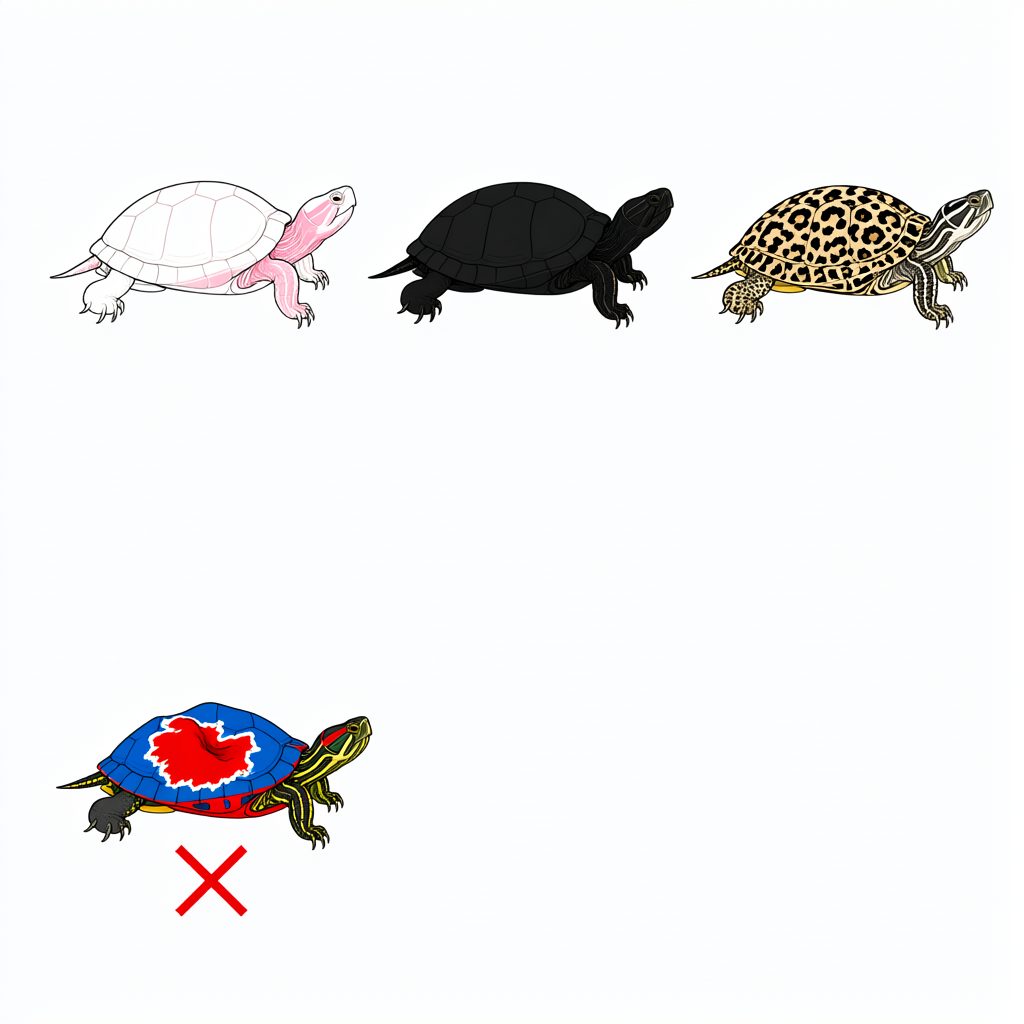
Species identification (step one, always first)
Not sure of the species? Send three photos (front + side + top-down of the carapace). Before confirming, don't guess the exact species from photos — give a conservative plan only.
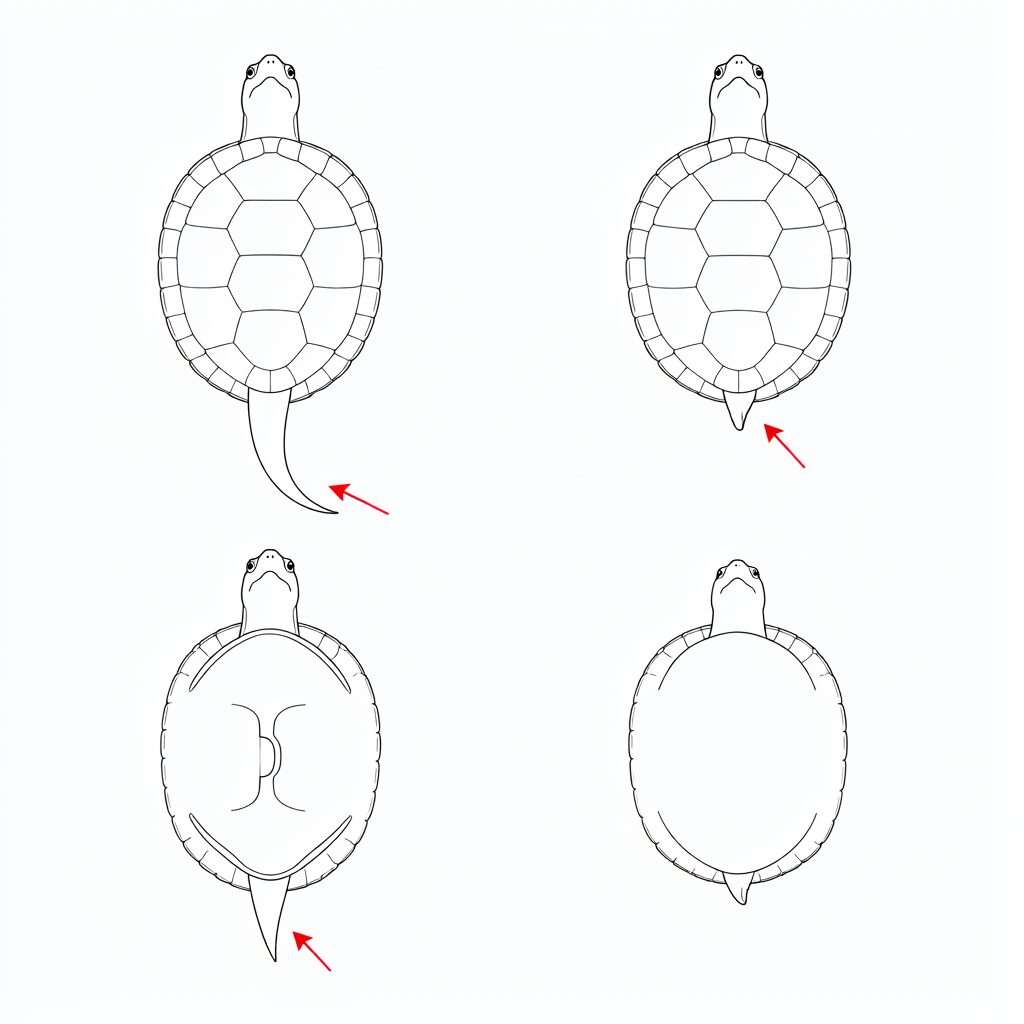
Male vs female (general traits)
| Trait | 🐢 Male | 🐢 Female |
|---|---|---|
| Tail | Thick & long | Short & small |
| Plastron | Center concave | Full & flat |
| Body size | Usually smaller | Usually larger |
| Cloaca position | Far from plastron edge | Close to plastron edge |
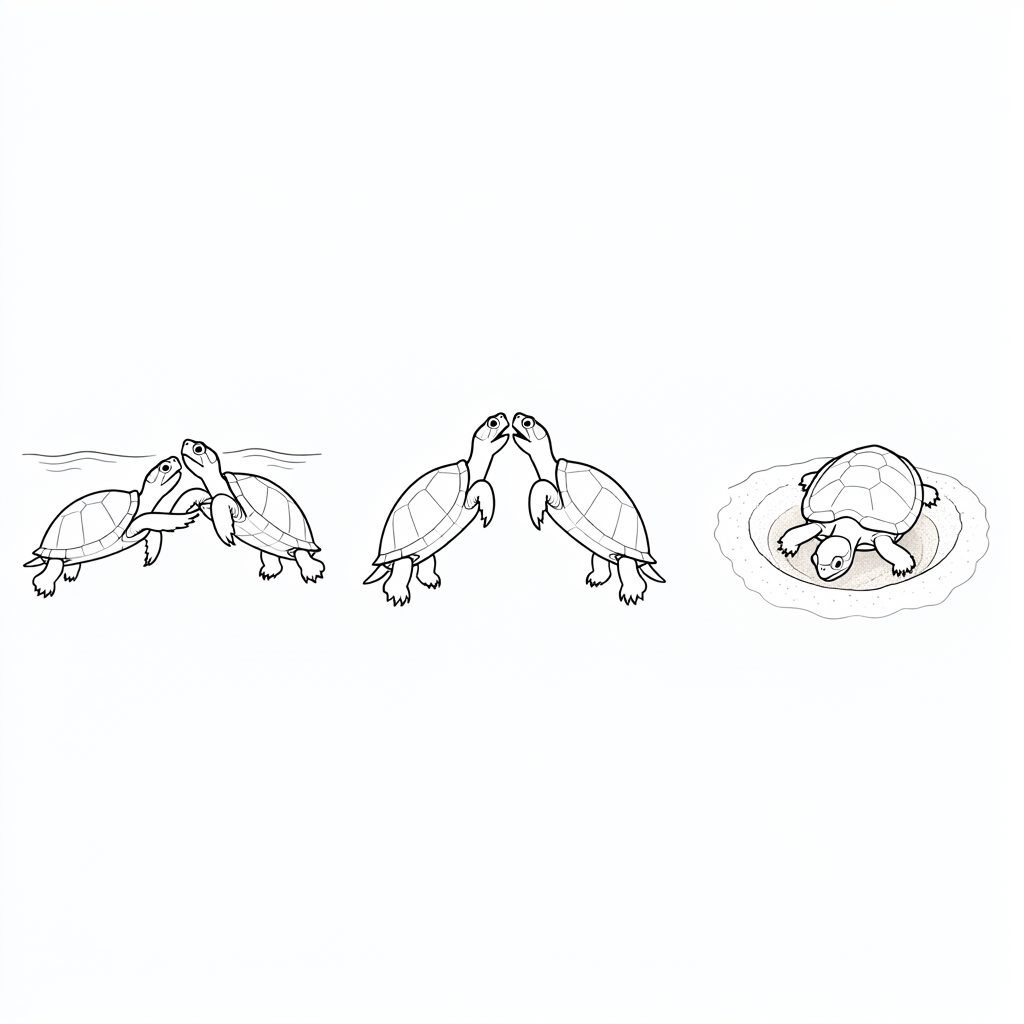
⚠️ Hatchlings / small turtles show almost no sex difference — don't force a guess; laying eggs proves female, but not laying ≠ male (females lay infertile "water eggs" without mating).
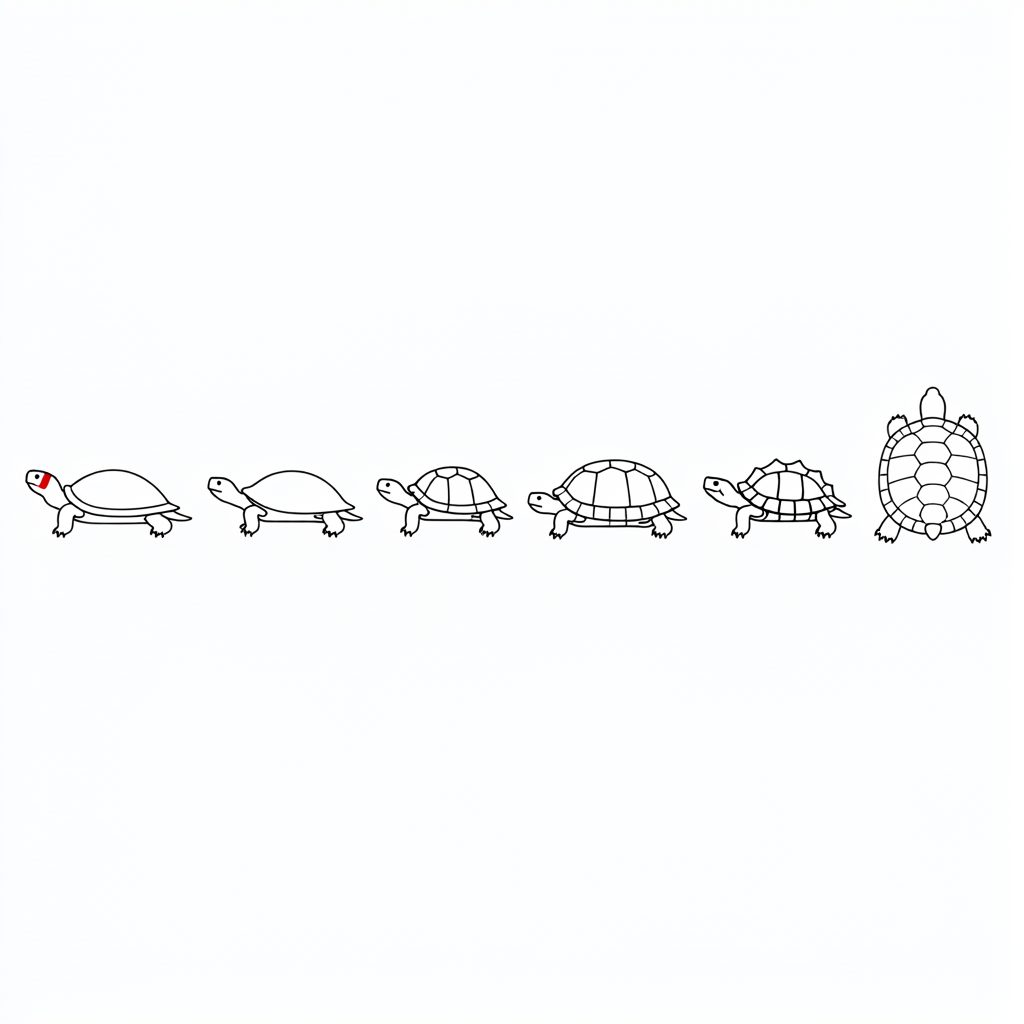
Conservative parameter quick reference (no exact values before species confirmed)
| Species | Type | Natural hibernation | Water/ambient temp | Basking spot | UVB | Diet focus | Humidity |
|---|---|---|---|---|---|---|---|
| Red-eared slider | Aquatic | Yes | 24~28℃ | 28~32℃ | Needed | Omnivore, meat-leaning | Med |
| Chinese pond turtle | Aquatic | Yes | 22~28℃ | 28~32℃ | Needed | Omnivore | Med |
| Map turtle | Aquatic | Yes | 24~28℃ | 28~32℃ | Needed | Omnivore, meat-leaning | Med |
| Yellow-margined box turtle | Semi-aquatic | Yes (warmer) | 22~28℃ | 28~30℃ | Needed | Omnivore (animal+plant) | Higher 70~80% |
| Mediterranean tortoise | Tortoise | No (thermoregulate) | 22~30℃ gradient | 30~35℃ | Needed | High-fiber plants | Med 40~60% |
| Red-footed tortoise | Tortoise | No | 25~30℃ gradient | 30~33℃ | Needed | High-fiber + little fruit | Higher 70~80% |
| Leopard tortoise | Tortoise | No | 26~32℃ gradient | 32~35℃ | Needed | High-fiber, low-protein | Lower 40~50% |
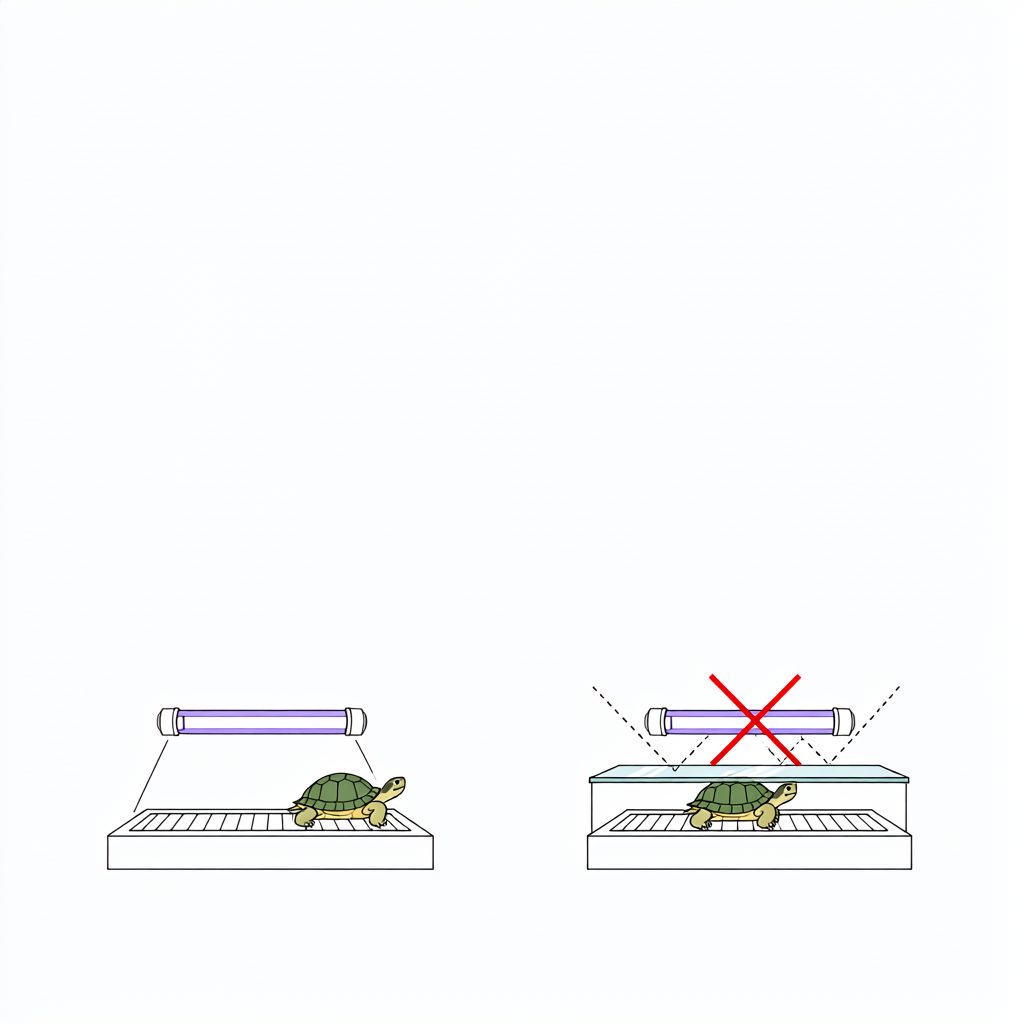
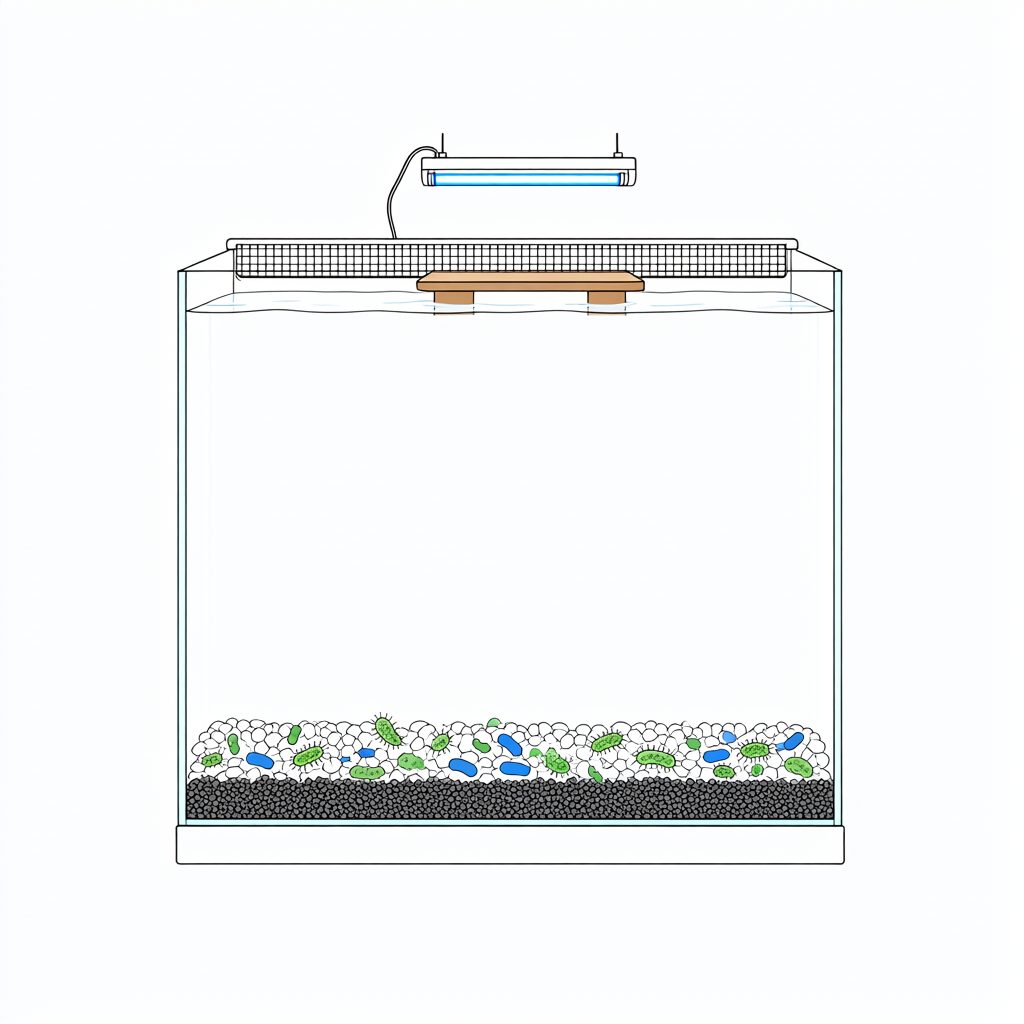
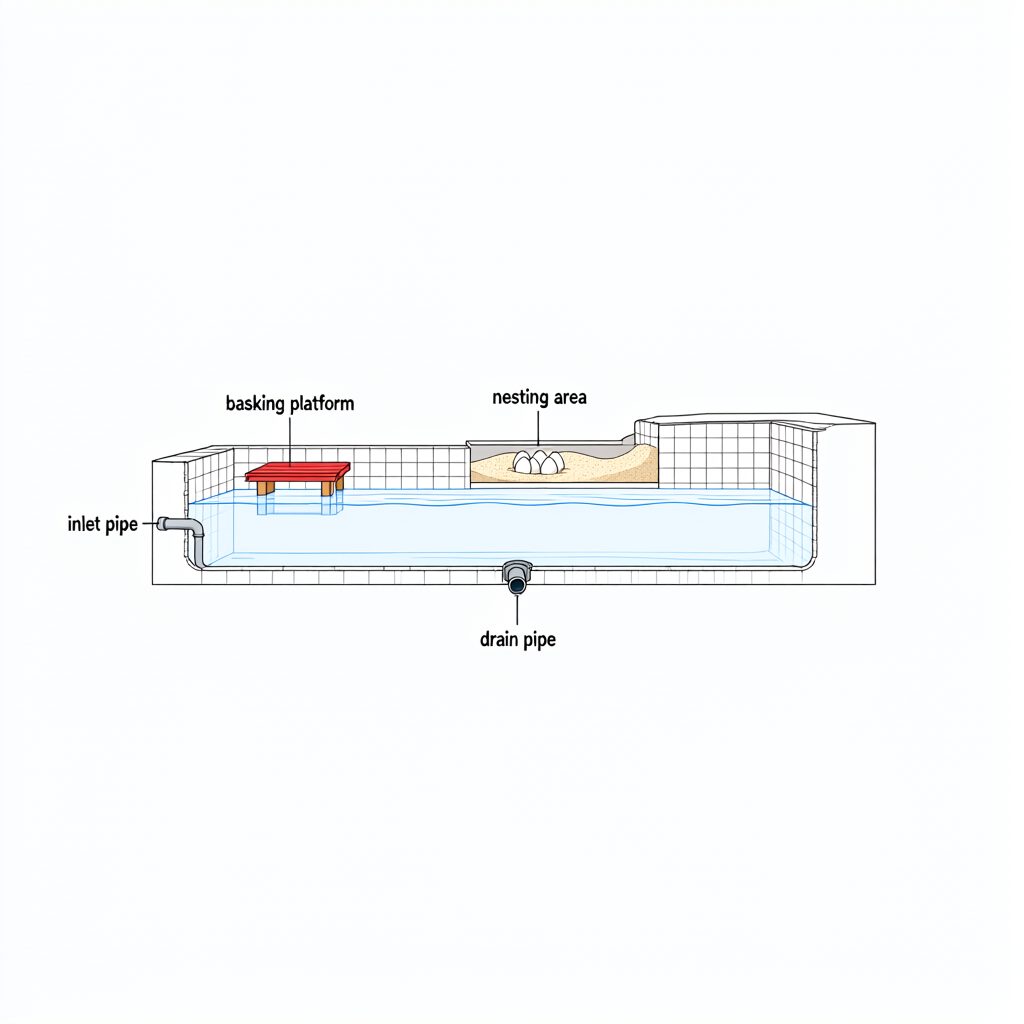
Branch differences: Aquatic heavy on water quality + hibernation eval + shallow water anti-drown; Semi-aquatic land/water + humidity + warmer hibernation; Tortoise space + temp gradient + UVB + humidity + high-fiber diet, most don't hibernate, use thermoregulation.